
Straightforward guidance, not a remote diagnosis. Vehicle symptoms can have multiple causes. If driving feels unsafe, stop in a secure place and arrange hands-on help.
Why the lights can work when the engine will not
Interior and dashboard lights use far less electrical current than the starter motor. A weak battery can therefore illuminate the cabin normally but lose voltage as soon as you ask it to crank the engine.
The same symptom can come from resistance in a battery cable, a failing starter or a control-circuit issue. What happens during the start attempt is more useful than whether the lights came on beforehand.
Common causes of a no-crank condition
Rapid clicking often points toward low voltage or a poor connection. One solid click may involve the starter or solenoid. Complete silence can indicate a control, switch, fuse, immobilizer or connection problem, although symptoms overlap.
- Weak battery under starter load
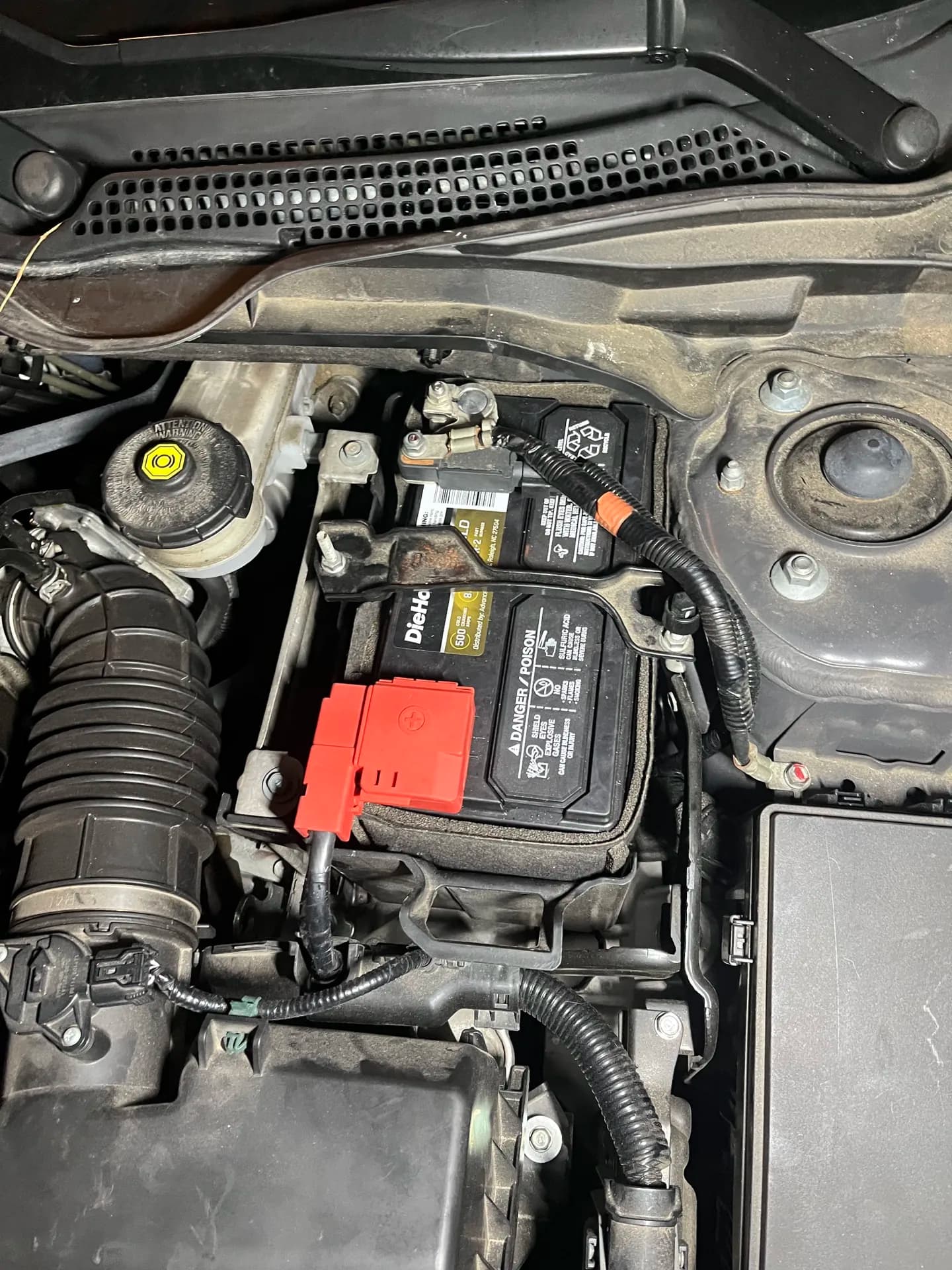
- Loose or corroded battery connection
- Failing starter motor or solenoid
- Starter relay, fuse or ignition-switch fault
- Park/Neutral safety-switch problem
- Key or immobilizer recognition issue
Do not ignore intermittent starting
A car that starts on the second or third attempt is giving an early warning. Heat, vibration and temperature changes can make a worn electrical connection or starter behave inconsistently before it stops working entirely.
Record whether the engine was hot or cold, what sound occurred and whether moving the shifter changed the result. Those details can shorten the diagnostic process.
Checks you can make without taking parts apart
Set the parking brake, confirm the vehicle is fully in Park and try one brief start attempt. If the owner's manual allows it, try Neutral once while keeping your foot firmly on the brake. Observe the lights and listen closely.
- Rapid clicks: check battery charge and connections
- One click: starter circuit needs testing
- No sound: check shifter position, key recognition and control circuit
- Strong cranking: the fault may involve fuel, spark or engine management
What may help temporarily
A jump start may help if the battery is undercharged, provided the battery is not damaged or frozen and the correct procedure is followed. Cleaning or tightening terminals should only be done with the engine off and with care to avoid shorting the battery.
Do not strike the starter, bypass safety systems or install a higher-rated fuse. Those shortcuts can cause injury, electrical damage or a vehicle that moves unexpectedly.
When professional testing is the faster answer
If a jump does not change the symptom, the car only clicks, the problem keeps returning or security and warning lights behave unusually, test the starting circuit instead of replacing parts by guesswork.
Wayne can evaluate battery performance, voltage drop, starter control and charging-system operation at a safe home or workplace location in the Columbus area. Call with the vehicle details and the exact sound you hear.
Frequently asked questions
Can the battery be bad if the dashboard lights still work?+
Yes. Lights need much less current than the starter, so a weak battery can power accessories but fail under the much heavier starting load.
What does one click when I turn the key mean?+
One click can point toward the starter, solenoid, cable resistance or low available current. Testing voltage at the right points is needed before replacing a part.
What do rapid clicks usually mean?+
Rapid clicking commonly occurs when battery voltage falls too low or a connection cannot carry starter current. The battery and cables should both be tested.
Could the key fob stop the car from starting?+
Yes. A key-recognition or immobilizer problem can block the start command. A security warning or a spare key that works can be a useful clue.
Should I replace the starter based on the clicking sound?+
Not without testing. Weak batteries and poor cable connections can imitate a bad starter, so confirm the cause first.