Straightforward guidance, not a remote diagnosis. Vehicle symptoms can have multiple causes. If driving feels unsafe, stop in a secure place and arrange hands-on help.
Brake noises are an early warning
A brief sound after rain can come from surface rust, but repeated squealing, scraping or grinding should not be ignored. Many brake pads include a wear indicator that makes noise when the friction material is getting low.
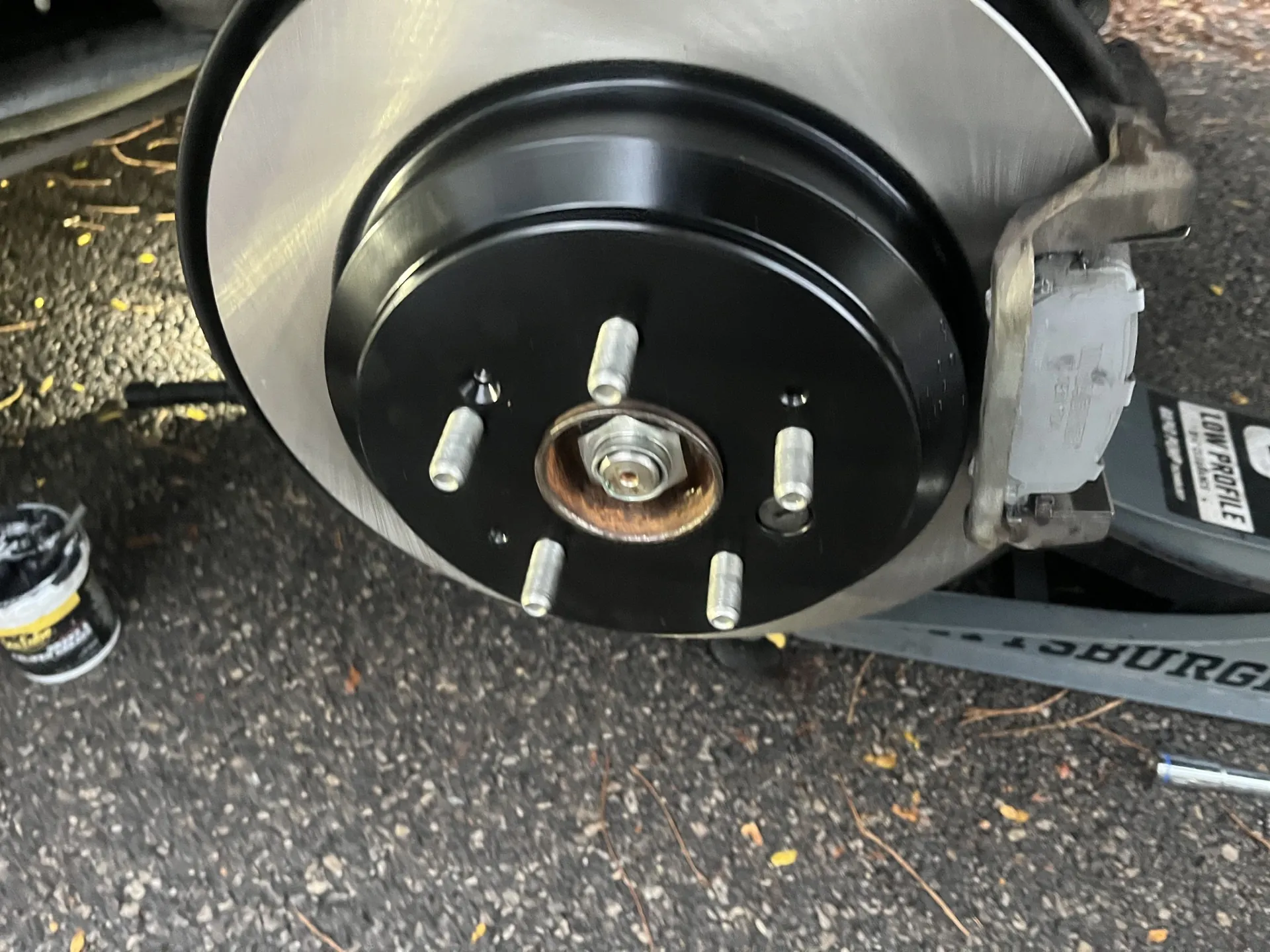
Grinding can mean the pad material has worn away and metal is contacting the rotor. Continuing to drive may increase stopping distance and turn a straightforward pad replacement into a larger repair.
- Persistent squealing during normal stops
- Grinding or scraping
- A click or clunk when braking
Pay attention to pedal feel and stopping behavior
The brake pedal should feel consistent from one stop to the next. A pedal that feels unusually soft, travels farther than normal or slowly sinks can point to a hydraulic concern and deserves prompt inspection.
A vehicle that pulls to one side or shakes through the steering wheel while braking may have uneven brake wear, rotor variation, a sticking caliper or another issue that needs hands-on diagnosis.
- Soft or sinking brake pedal
- Steering-wheel vibration
- Vehicle pulling during a stop
Dashboard lights and visible clues matter
A red brake warning light can be related to the parking brake, low brake fluid or a hydraulic problem. An ABS light means the anti-lock system has detected a fault. These lights do not identify the failed part by themselves, but they provide an important starting point.
Also look for fluid near a wheel or beneath the engine bay, a burning smell after normal driving, or one wheel that feels much hotter than the others. Do not touch a hot wheel or brake component.
When should you stop driving?
Do not continue driving if braking ability has clearly changed, the pedal goes close to the floor, you see an active fluid leak, hear severe grinding or the vehicle cannot stop predictably. Move only if it is safe and necessary to reach a secure location, then arrange professional help.
Wayne can inspect pads, rotors, calipers and visible brake components at your location in Westerville and the Greater Columbus area. Call with the vehicle year, make, model and the symptoms you are noticing.